
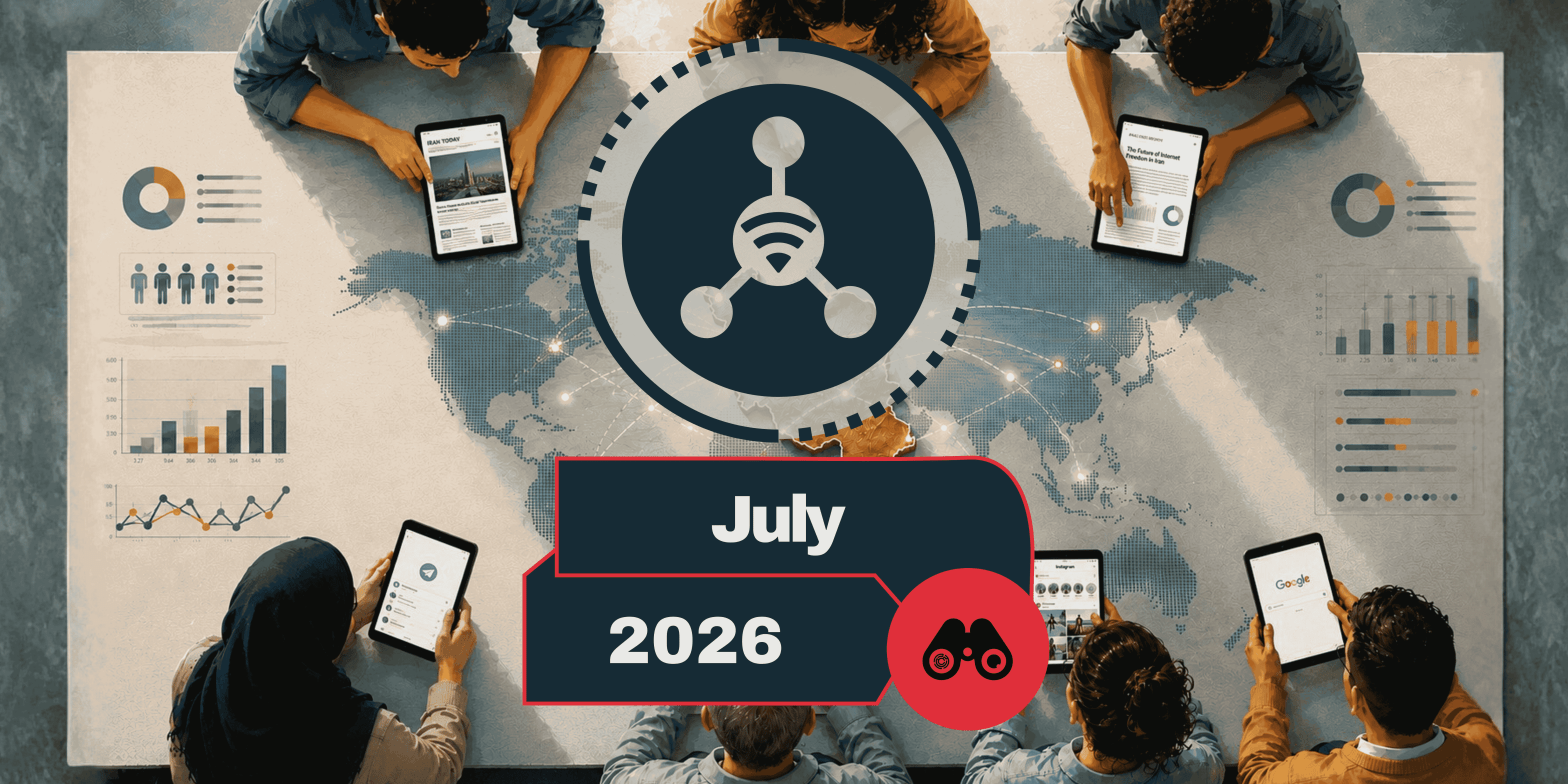
Two months after what the Iranian government has described as the “restoration of international internet access”, new data from the Iranian Students Polling Agency (ISPA) paints a very different picture of the everyday internet experience in Iran. Rather than a genuine return to normal connectivity, the findings point to a gradual and less visible erosionContinue reading "A Fraying Connection: Iranians Spend 39% Less Time Online Than the Global Average"
Tag Archives: Internet Censorship in Iran
From Partial Internet Restoration to Tighter Control Over Data Centers
One month after the partial restoration of international internet access, internet policymaking in Iran remains heavily driven by security-driven narratives. Amid ongoing disputes over the source of recent cyberattacks, data centers' access to the global internet has still not returned to its pre–January 8 level. Furthermore, authorities are now conditioning server connectivity on opaque userContinue reading "From Partial Internet Restoration to Tighter Control Over Data Centers"
The Illusion of Reconnection: Iran’s New Hybrid Internet Shutdown Model
On May 26, 2026, after 88 days of severe restrictions on international internet access, network monitoring platforms recorded the first signs of connectivity returning to Iran. Yet the apparent restoration did not amount to a full return to the global internet. Instead, the recovery was gradual, uneven, and accompanied by significant political controversy. This reportContinue reading "The Illusion of Reconnection: Iran’s New Hybrid Internet Shutdown Model"
The Right to Internet: From Individual Claims to a Social Crisis ; Exploring the Lived Experience of Iranian Users During Internet Blackouts
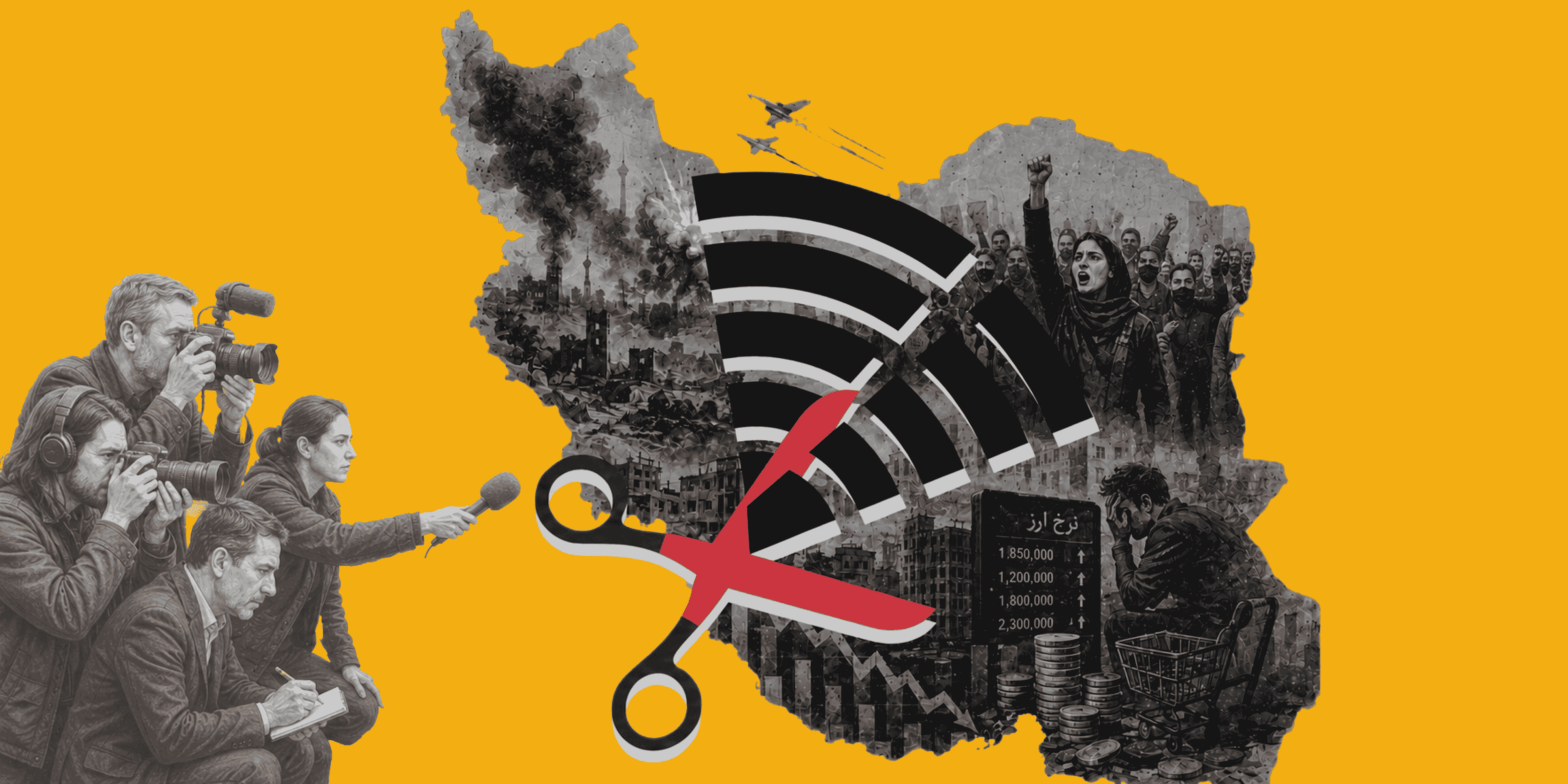
This report is based on an analysis of 20 in-depth, semi-structured interviews conducted with 16 adults and 4 adolescents from different cities across Iran. The participants represent a diverse range of professions and social backgrounds, from students and homemakers to programmers, traders, and freelancers. Despite differences in age and occupation, all of them share aContinue reading "The Right to Internet: From Individual Claims to a Social Crisis ; Exploring the Lived Experience of Iranian Users During Internet Blackouts"
The Digital Frontline: Tiered Internet, Infrastructure Control, and Information Warfare in Iran
The landscape of internet access in Iran has entered a transformative and restrictive new phase, accelerated by the intersection of domestic unrest and international military conflict. While the country has historically relied on blanket filtering, recent developments—documented primarily through Filterwatch and technical network data—reveal a shift toward a systematic, tiered access model. This transition isContinue reading "The Digital Frontline: Tiered Internet, Infrastructure Control, and Information Warfare in Iran"
A Month of Iran’s Internet: From Regional Disruptions and Blackouts to a new Whitelisted Reality
Following the nationwide protests that began on December 28, Iran’s internet underwent a dramatic transformation. What started as regional and targeted disruptions shifted into a near-total nationwide blackout on January 8 with even the National Information Network (NIN) largely inaccessible, severing access to everything from banking to government services. While connectivity began a phased restorationContinue reading "A Month of Iran’s Internet: From Regional Disruptions and Blackouts to a new Whitelisted Reality "
From Regional Disruptions to Nationwide Blackouts: Examining Iran’s Internet Status Amid Escalating Protests
As protests in Iran escalate, the state's censorship tactics have shifted dramatically. While our previous report documented localized and layered disruptions, new data reveals a move toward a total nationwide blackout. This report analyzes user reports, social media data, and network traffic trends (IODA, Kentik, Cloudflare, ArvanCloud) to map this escalation. We examine the specificContinue reading "From Regional Disruptions to Nationwide Blackouts: Examining Iran’s Internet Status Amid Escalating Protests"
Connected but Unsafe: The Model of Regional Internet Repression During the December 2025 – January 2026 Protests
The pattern of internet disruption observed during the recent protests marks a strategic departure from the "nationwide shutdowns" of the past. Instead, it resembles the approach used during the Rouhani administration: localized, phased, and controlled restrictions designed to suffocate connectivity without fully severing it. Field reports and technical evidence indicate that internet cuts and disruptionsContinue reading "Connected but Unsafe: The Model of Regional Internet Repression During the December 2025 – January 2026 Protests"
Tiered Internet: A Case Study in Selective Access and Digital Inequality

Tiered Internet is a concept that transforms internet access from a universal right into a special privilege for a select group. It refers to a type of internet access that, based on the segregation of domestic and international traffic, determines access to international internet content based on factors such as age, gender, occupation, education, andContinue reading "Tiered Internet: A Case Study in Selective Access and Digital Inequality"