
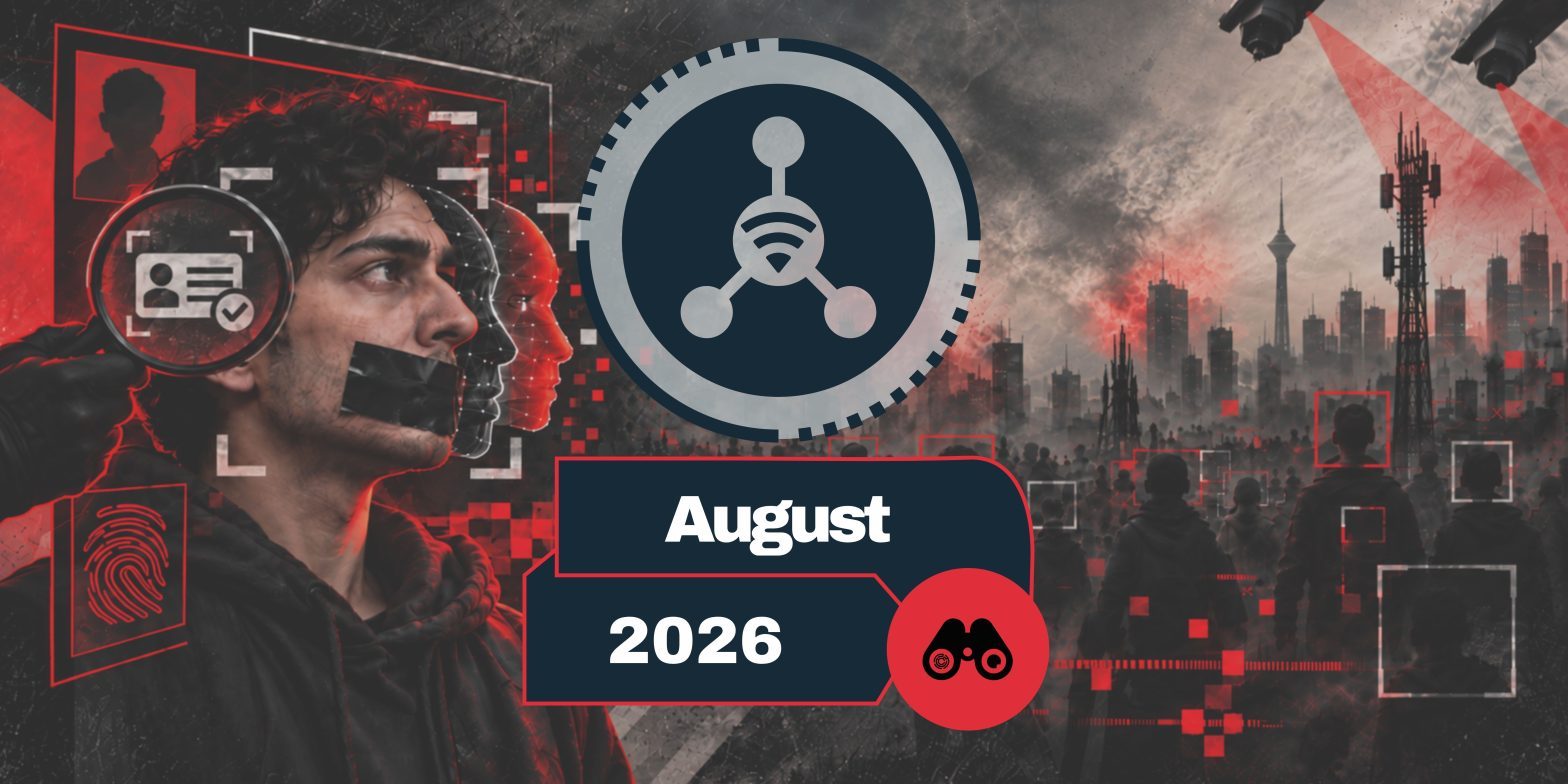
Executive Summary August marked a significant structural pivot in Iran’s digital architecture as the newly released Cyberspace Regulation Plan consolidated internet governance away from the Ministry of ICT and into hardline, non-elected bodies like the Supreme Council of Cyberspace. Beneath nominal language invoking "net neutrality" and "user rights," the policy codifies a system of totalContinue reading "From Mandatory Identity Verification to the Promise of Net Neutrality: Iran’s Blueprint for Internet Control"
Author Archives: Narges Keshavarznia
The Right to Internet: From Individual Claims to a Social Crisis ; Exploring the Lived Experience of Iranian Users During Internet Blackouts
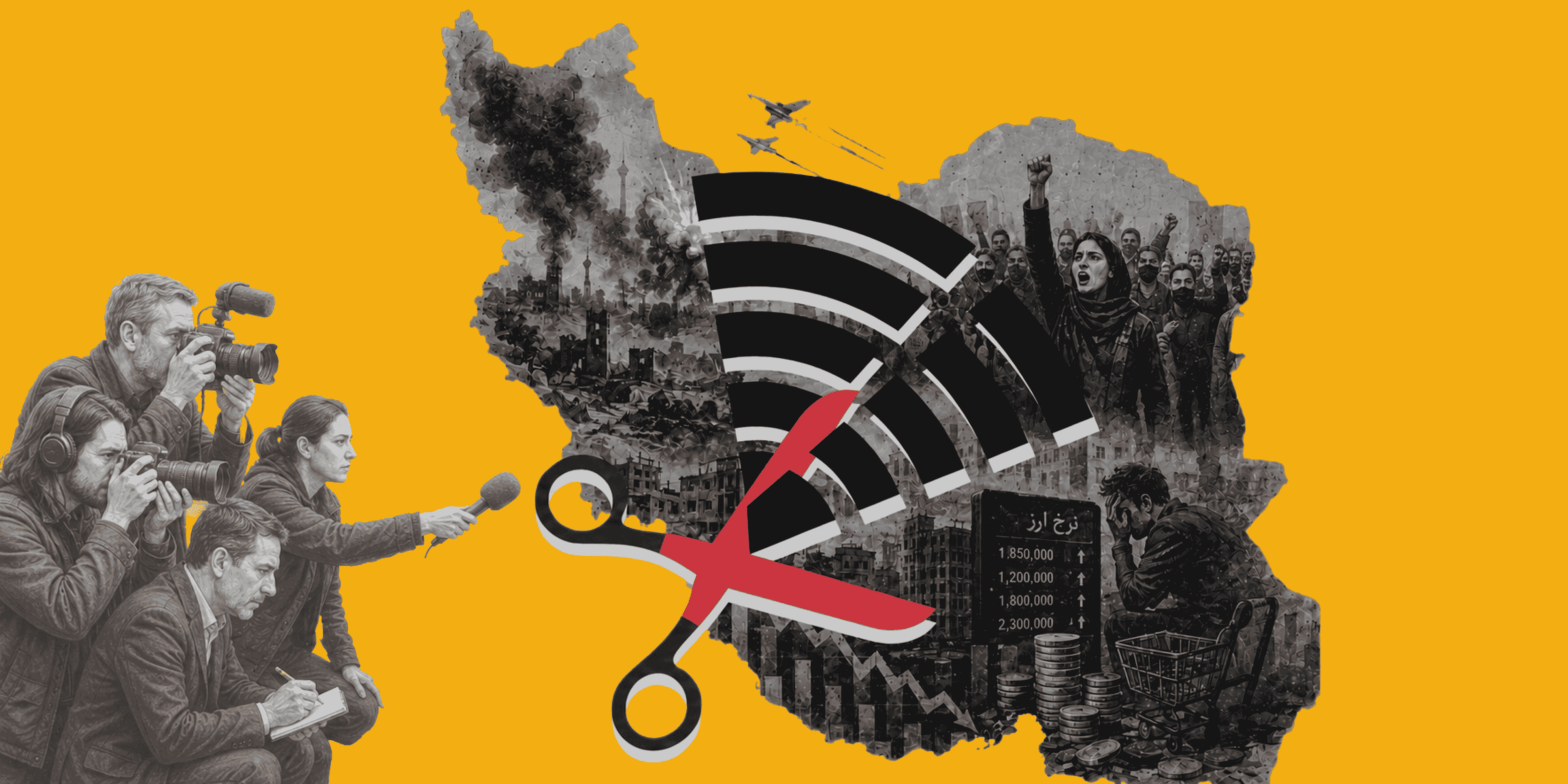
This report is based on an analysis of 20 in-depth, semi-structured interviews conducted with 16 adults and 4 adolescents from different cities across Iran. The participants represent a diverse range of professions and social backgrounds, from students and homemakers to programmers, traders, and freelancers. Despite differences in age and occupation, all of them share aContinue reading "The Right to Internet: From Individual Claims to a Social Crisis ; Exploring the Lived Experience of Iranian Users During Internet Blackouts"
A Month of Iran’s Internet: From Regional Disruptions and Blackouts to a new Whitelisted Reality
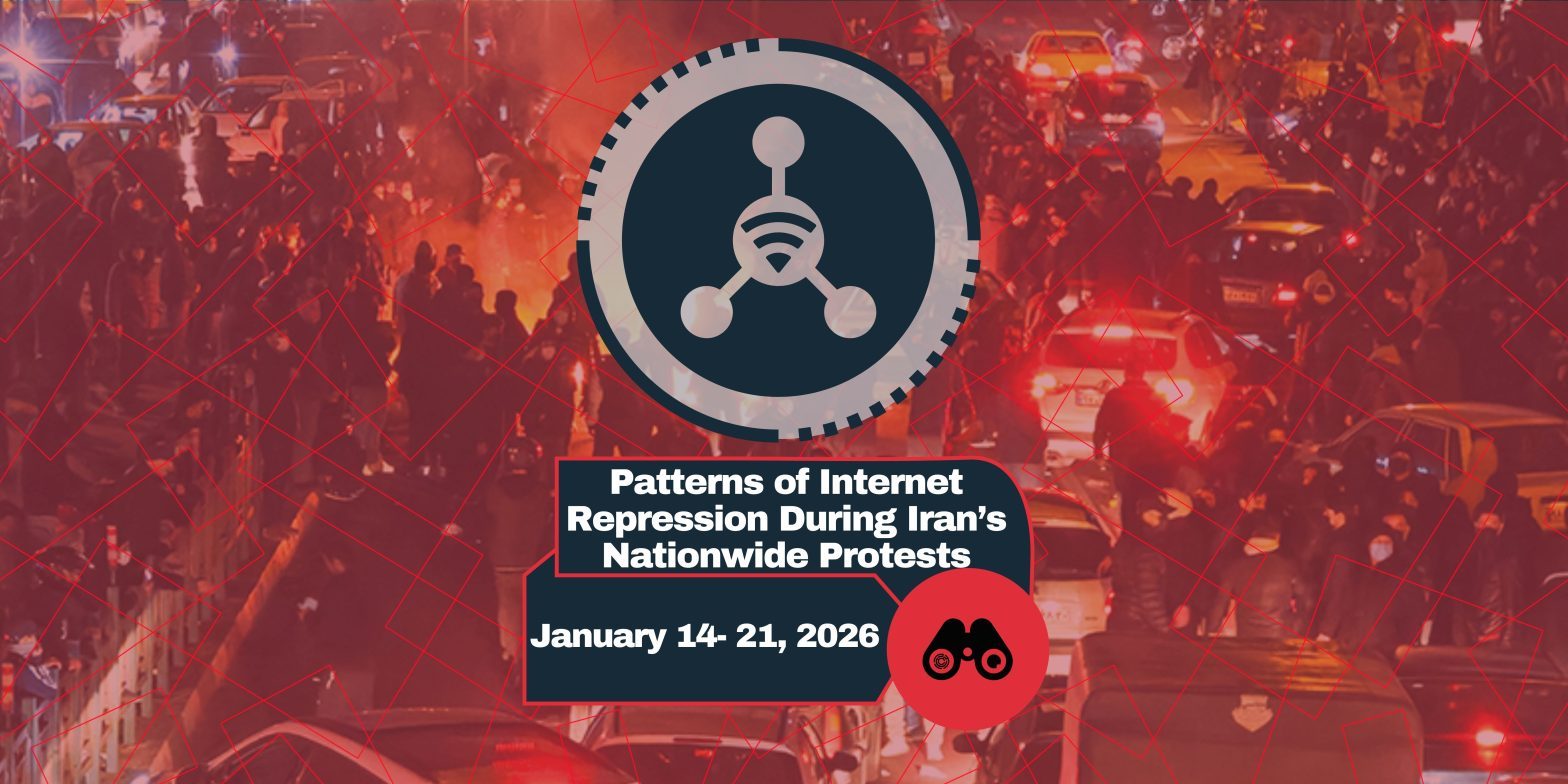
Following the nationwide protests that began on December 28, Iran’s internet underwent a dramatic transformation. What started as regional and targeted disruptions shifted into a near-total nationwide blackout on January 8 with even the National Information Network (NIN) largely inaccessible, severing access to everything from banking to government services. While connectivity began a phased restorationContinue reading "A Month of Iran’s Internet: From Regional Disruptions and Blackouts to a new Whitelisted Reality "
A Clear Message from the Supreme National Security Council Opposing the Restoration of Internet Access
More than two weeks into the internet shutdown in Iran, statements by the Secretary of the Supreme National Security Council have confirmed that restoring internet access is not currently on the agenda of security institutions. As in previous instances, the Council has cited security concerns to avoid providing a clear timeline for reconnection. . Instead,Continue reading "A Clear Message from the Supreme National Security Council Opposing the Restoration of Internet Access"
From Regional Disruptions to Nationwide Blackouts: Examining Iran’s Internet Status Amid Escalating Protests
As protests in Iran escalate, the state's censorship tactics have shifted dramatically. While our previous report documented localized and layered disruptions, new data reveals a move toward a total nationwide blackout. This report analyzes user reports, social media data, and network traffic trends (IODA, Kentik, Cloudflare, ArvanCloud) to map this escalation. We examine the specificContinue reading "From Regional Disruptions to Nationwide Blackouts: Examining Iran’s Internet Status Amid Escalating Protests"
Connected but Unsafe: The Model of Regional Internet Repression During the December 2025 – January 2026 Protests
The pattern of internet disruption observed during the recent protests marks a strategic departure from the "nationwide shutdowns" of the past. Instead, it resembles the approach used during the Rouhani administration: localized, phased, and controlled restrictions designed to suffocate connectivity without fully severing it. Field reports and technical evidence indicate that internet cuts and disruptionsContinue reading "Connected but Unsafe: The Model of Regional Internet Repression During the December 2025 – January 2026 Protests"
From Morality Police Vans to Digital Batons: A Paradigm Shift in the Repression of Women

In recent months, the patrol vans of the "Guidance Patrol"—the most visible symbols of Iran’s street-level hijab enforcement once used to stop, warn, detain, and transport women accused of violating compulsory dress codes—have largely faded from public view. While this has led some observers to believe that pressure on women is easing, the reality isContinue reading "From Morality Police Vans to Digital Batons: A Paradigm Shift in the Repression of Women"
Iran’s Two-Tier Internet: High Cost for Public, Free Access for Elite, Deepening Digital Divide

In November 2025, Iran’s internet policy accelerated its trajectory toward a system defined by high costs for the majority, and privileged, unfiltered access for a select few. This widening gap is the primary driver of a deepening digital divide, structural discrimination, and expanding state surveillance. Rather than addressing the root causes of network issues, authoritiesContinue reading "Iran’s Two-Tier Internet: High Cost for Public, Free Access for Elite, Deepening Digital Divide"
X Update Reveals Digital Authoritarianism in Iran: The ‘White SIM Card’ Scandal

The Internet Divide: Iran’s Elite Access Uncensored Internet While the Public is Blocked As Iranian officials seek to present the country’s tiered internet policy as “Phased Unfiltering” (or “staged unfiltering”), a small update on X (formerly Twitter) made its real-world effects impossible to ignore. It highlighted what digital rights advocates have long warned: that forContinue reading "X Update Reveals Digital Authoritarianism in Iran: The ‘White SIM Card’ Scandal"
Digital Repression in Iran: Implementing Undisclosed Policies for Tiered Access and Judicial Control

In October 2025, the Iranian government intensified its strategy of digital repression through the practical, step-by-step implementation of policies derived from the undisclosed 32-article resolution of the Supreme Council of Cyberspace (SCC). The key development was the expansion of a tiered internet structure at the university level and the institutionalization of sweeping new legal controls.Continue reading "Digital Repression in Iran: Implementing Undisclosed Policies for Tiered Access and Judicial Control"